By invitation · The Heartwood
Modern arboriculture software for the modern arborist.
Built in the field, by working arborists — not sold to them. We're assembling a small founding group of practitioners to build it right: people who treat a tree as a patient, document everything, and are done waiting for software that gets it.
The thesis
Use your great-grandfather's pole saw. Not his software.
The craft's tools are timeless — a sharp hand saw, a trained eye, Alex Shigo in a folding chair watching wood decay and rethinking an entire industry. The software handed to arborists is not.
It was built to dispatch crews, route trucks, and chase invoices — field-service plumbing with a tree logo bolted on. None of it was built for the actual work: the looking, the diagnosis, the record that has to follow a tree across decades and owners.
Keep the old tools. Retire the old software.
So we're building the opposite — and we're building it with the few arborists who already feel the gap.
The standard
Credentials aren't a tax. They're the point.
ISA certification and real Tree Risk Assessment frameworks — TRAQ, the published methodology, the matrix — aren't bureaucracy. They're how you look a homeowner in the eye and say this tree stays, or this one's a genuine hazard, and have the documentation to stand behind either call.
The tool is built around that. Your reports rise from Condition Report to ISA Assessment to TRAQ Risk Attestation as you earn the credentials — rigor is rewarded, not formatted around.
A removal should be a diagnosis — not a sales target.
Most tree work makes its money on the chainsaw; the incentive runs toward the cut, and the equipment payment behind it. Done right, the science runs the other way — it defends the tree that can be saved and stays honest about the one that can't. We don't bank a tree's life against a truck payment.
What we're building
A medical record for trees.
The tree is the patient. The homeowner is the caretaker. The arborist is the specialist. The product is ArbKeep: one chart per tree, kept by the arborist, shared with the homeowner — every photo, finding, lab result, and invoice a single thread that follows the property, not the person.
Phone in the field. iPad on the tailgate. Laptop at the kitchen table. The whole history from your shirt pocket. It's early, and it's real — used on live trees every week.
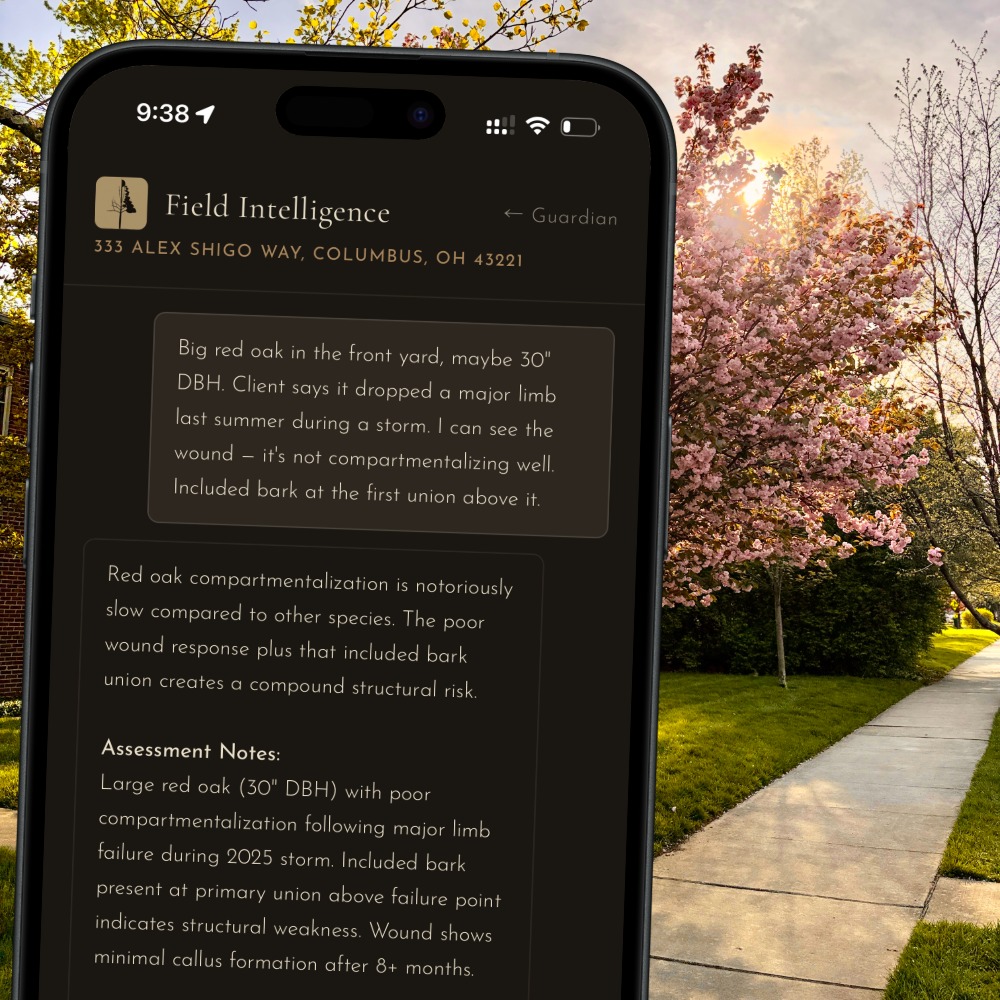
From the field — a live per-tree assessment
The proof
Built inside a real practice, on a real street.
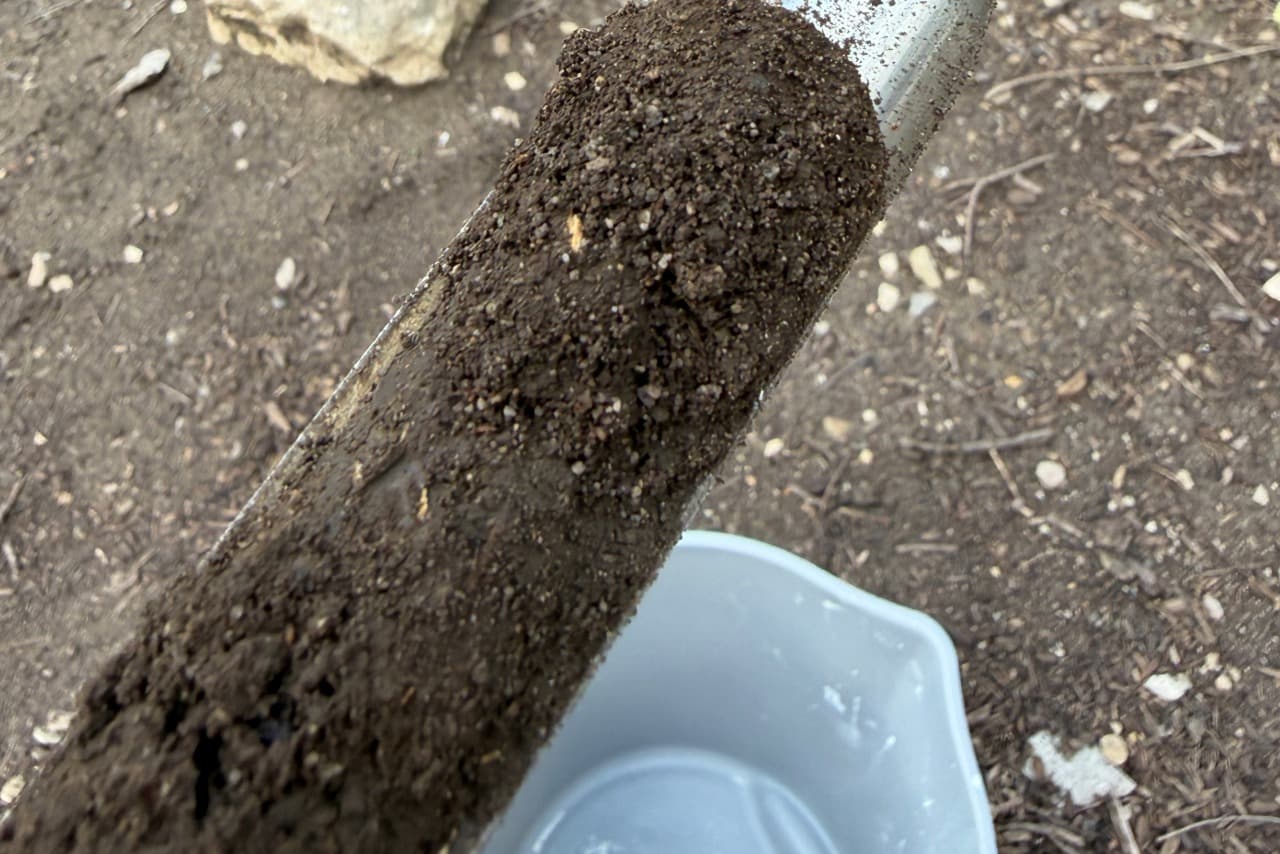
Every feature earns its place on actual trees before it ships. The proving ground is Arlington Tree Co. in Upper Arlington, Ohio — plant health care, soil diagnostics, root-collar work, a four-season Tree Steward program. The software is whatever that practice actually needs, and nothing it doesn't.
And it's grounded in real rigor. The person building it co-authored a peer-reviewed study with Ohio State University (PLOS ONE, 2021) on recovery deserts — places where the need was real but the data lived only in the heads of the people doing the work, so the pattern was invisible to whoever walked up next and asked, "is there a problem here?" Trees have the exact same gap. This is the layer that closes it.
Research-lab rigor with neighbor proximity — leaning on land-grant extension labs, university pathology clinics, and ISA standards, not on a sales deck.
About the builder
Arlington Tree Co. →
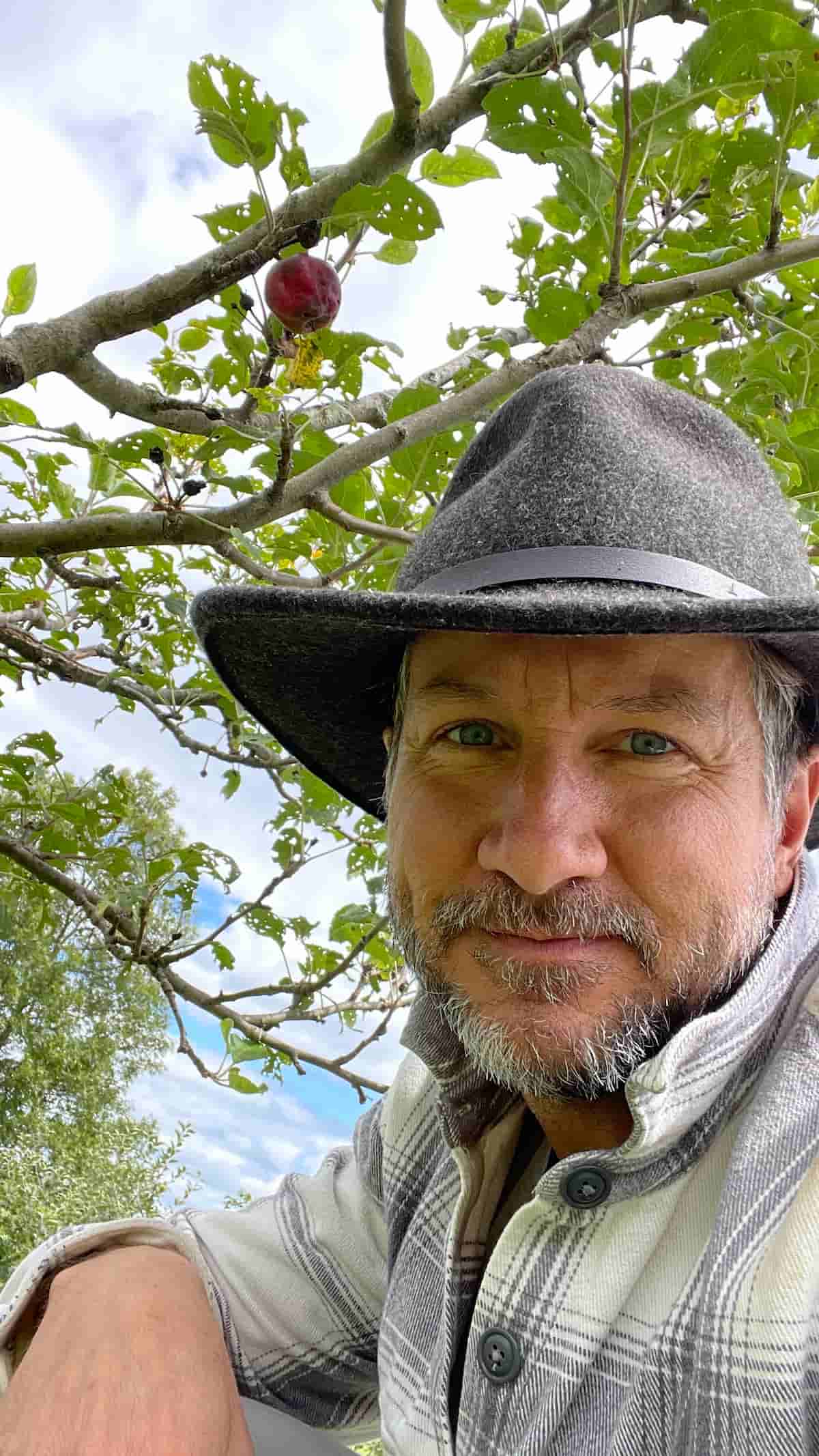
ArbAssist is built by David All — a working arborist who codes between visits. He came to arboriculture through heritage apple orchards in Pennsylvania and old-growth conifers on the Olympic Peninsula, where he learned a tree is a patient, not a project. Today he cares for trees in Upper Arlington with hand tools from his great-grandfather's collection, studies for his ISA Certified Arborist exam, and builds the tools he wished existed in the field. Featured in The Guardian on the spotted lanternfly invasion (May 2026).
Blog
From the field.
How this thing thinks, in writing — diagnoses, the science under the field calls, and what the build keeps teaching us.
All posts →
The heartwood
We're looking for a few of you.
Not a customer list — a founding heartwood. The small, dense core this whole thing is built around: arborists shaping the tool to spec while running their own practice and keeping every dollar of it. We'd rather build with ten of the right people than sell to a thousand of the wrong ones.
Who you are
You run your own practice. You'd rather sharpen a protocol than manage a crew. You read the journals. You're done duct-taping a spreadsheet, a Word template, ChatGPT, and iMessage into a system.
What you'd bring
Field judgment, first. And if you also write code, design, or do marketing — even better. You'd be building this with us, helping think through your own use cases, not just using what we hand you.
What you get
Early access, a direct line to the build, and real say in where it goes. A seat in the room while modern arboriculture software gets made — by the people who actually do the work.
Apply
Tell us about your practice.
David reads every application personally. No trials, no checkout — we're curating a small group and onboarding deliberately.
Your application's in.
David reads every one personally — expect a real reply, not an autoresponder. In the meantime, the field notes are the clearest window into how this thing thinks.
If you don't hear back within a few days, email david@arbassist.com directly.
Modern tools for the modern arborist.
Built by the ones doing the work.
By invitation. Applications open.
Apply to join →